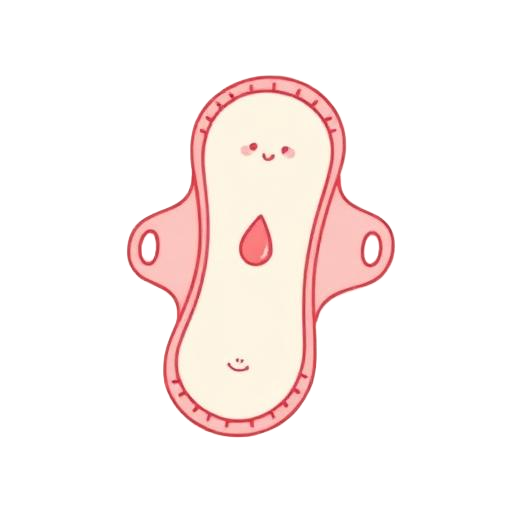
How it works: Stick to your underwear, absorb flow externally.
Pros: Easy, no insertion, good for night and very heavy flow.
Things to know: Single-use, can feel bulky, not great for swimming.
Who it suits: First periods, anyone who doesn't want to insert anything.
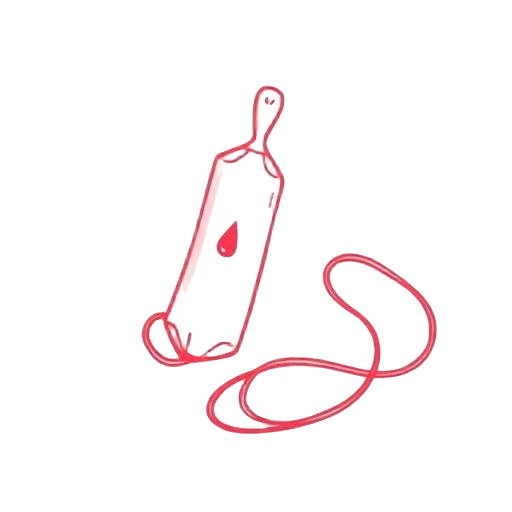
How it works: Inserted into the vagina, absorb flow internally. Change every 4-8 hours.
Pros: Discreet, fine for swimming and sport.
Things to know: Risk of TSS if left in too long; takes practice; not eco.
Who it suits: Active days, swimming, comfortable with insertion.
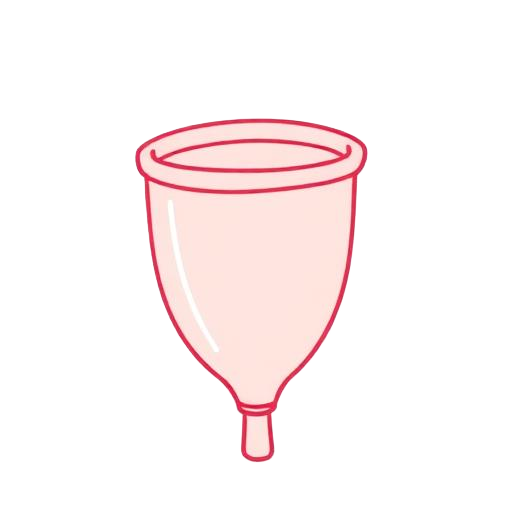
How it works: Reusable silicone cup that collects flow. Empty every 4-12 hours.
Pros: Up to 12 hours, lasts years, eco, no TSS at recommended use.
Things to know: Learning curve, fiddly in public toilets.
Who it suits: Anyone looking to ditch disposables and happy to insert.
How it works: Flexible disc that sits higher (in the vaginal fornix), can be worn during sex.
Pros: Up to 12 hours, often less leaky for heavy flow, sex-compatible.
Things to know: Messier removal, learning curve.
Who it suits: Heavier flow, intimacy on period, active lifestyle.
How it works: Absorbent gusset built into pants. Wash and reuse.
Pros: Comfy, no insertion, great backup for cups or tampons.
Things to know: Big upfront cost, washing logistics, capacity varies.
Who it suits: Light-medium days, overnight, teens starting out.
How it works: Washable fabric pads that snap onto your underwear.
Pros: Eco, gentle on skin, cheap long-term.
Things to know: Washing, bulkier than disposables.
Who it suits: Eco-minded, sensitive skin.
Still unsure?
Answer 6 quick questions and we'll suggest a starting point.
Take the quiz