Combined pill
hormonal
How: Daily oestrogen + progestogen pill.
Effectiveness: ~91% typical use
Pros: Lighter, more predictable periods; can clear acne.
Things to know: Daily routine; small risk of blood clots; not for smokers over 35.
UK-focused overview. Educational only , your GP or sexual-health clinic decides what's right for you. Try the starting-point quiz.
hormonal
How: Daily oestrogen + progestogen pill.
Effectiveness: ~91% typical use
Pros: Lighter, more predictable periods; can clear acne.
Things to know: Daily routine; small risk of blood clots; not for smokers over 35.
hormonal
How: Daily progestogen-only pill.
Effectiveness: ~91% typical use
Pros: Suitable when oestrogen isn't; ok with breastfeeding.
Things to know: Strict timing for some brands; irregular bleeding.
hormonal
How: Progestogen jab every 12-13 weeks.
Effectiveness: ~94%
Pros: No daily routine; often stops periods.
Things to know: Can delay fertility return; bone density concerns long-term.
hormonal
How: Small rod under arm, 3 years.
Effectiveness: >99%
Pros: Fit and forget; reversible.
Things to know: Irregular bleeding; minor procedure to fit/remove.
hormonal
How: Weekly skin patch (oestrogen + progestogen).
Effectiveness: ~91%
Pros: No daily pill; visible reminder.
Things to know: Can be seen; same oestrogen risks as combined pill.
hormonal
How: Flexible ring inserted for 3 weeks.
Effectiveness: ~91%
Pros: Monthly, low maintenance.
Things to know: Insertion not for everyone; oestrogen risks.
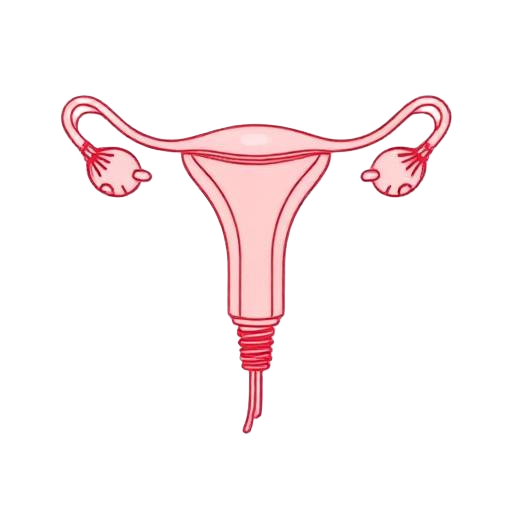
hormonal
How: T-shaped device with progestogen, 3-8 years.
Effectiveness: >99%
Pros: Lightens or stops periods; long-acting.
Things to know: Fitting can be painful , ask for pain relief; spotting first months.
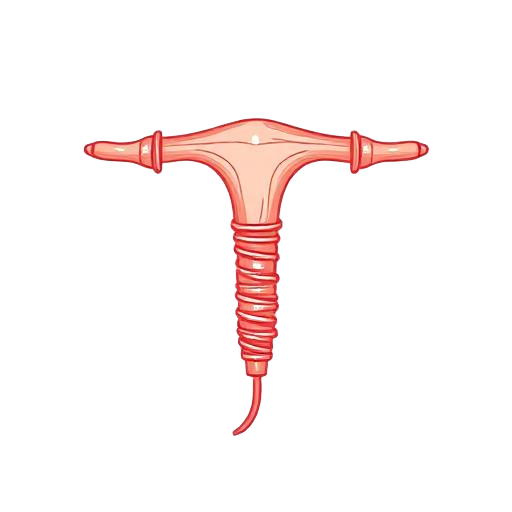
non-hormonal
How: T-shaped copper device, 5-10 years.
Effectiveness: >99%
Pros: Hormone-free; long-acting; emergency option.
Things to know: Can make periods heavier; fitting pain.
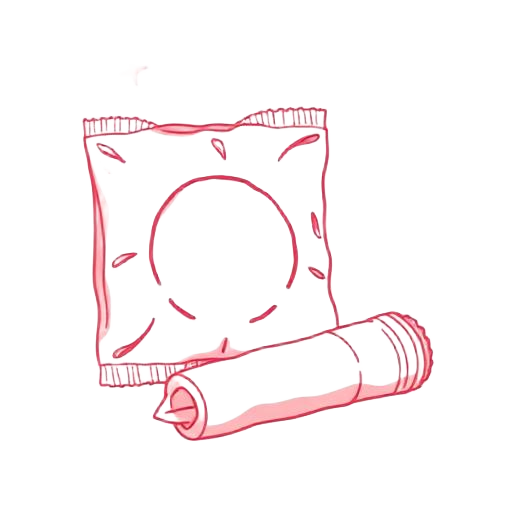
barrier
How: Worn on penis; single use.
Effectiveness: ~82%
Pros: STI protection; no prescription.
Things to know: Can split; latex allergies.
barrier
How: Inserted into vagina; single use.
Effectiveness: ~79%
Pros: STI protection; partner-independent.
Things to know: Pricier; takes practice.
barrier
How: Silicone dome with spermicide.
Effectiveness: ~71-88%
Pros: Hormone-free; used as needed.
Things to know: Fitting and timing required; no STI protection.
non-hormonal
How: Track temperature + cervical mucus + cycle.
Effectiveness: ~76-88%
Pros: Hormone-free; body literacy.
Things to know: Demands daily tracking and abstinence on fertile days.
permanent
How: Surgical , tubal or vasectomy.
Effectiveness: >99%
Pros: Permanent, no upkeep.
Things to know: Not reversible; small surgical risks.
emergency
How: Pill (ulipristal / levonorgestrel) within 3-5 days, or copper IUD within 5 days.
Effectiveness: Varies; copper IUD most effective
Pros: Stops a single risk event.
Things to know: Not for routine use; doesn't protect STIs.